
Here is an introduction to Famen Temple in English, designed to help tourists better plan their visit.
Famen Temple: A Guide to the Buddhist Treasure House
Key Information at a Glance
| Feature | Details |
|---|---|
| English Name | Famen Temple |
| Location | Famen Town, Fufeng County, Baoji City, Shaanxi Province |
| Distance from Xi'an | Approximately 120 kilometers west |
| Highlights | Buddha's Finger Bone Relic, Tang Dynasty Underground Palace, Ancient Treasures |
| Ticket Price | Approximately 100 RMB (Adult) |
| Opening Hours | 08:30 - 17:30 |
1. What is Famen Temple?
Famen Temple, whose name means "the initial approach to become a Buddhist believer," is one of China's most renowned Buddhist temples . It was established in the Eastern Han Dynasty (25-220 AD), giving it a history of over 1,700 years . The temple is famous throughout the world because it enshrines the veritable finger bone relic of Sakyamuni Buddha .
For centuries, it was a royal temple, especially during the Tang Dynasty, when emperors believed that worshipping the relic would bring peace and prosperity to the nation .
2. Top Attractions and Must-Sees
A visit to Famen Temple is a journey through history and art. Here are the parts you cannot miss.
The Underground Palace and the Buddha's Relic
The most significant discovery at Famen Temple is its Tang Dynasty Underground Palace . After the temple's pagoda collapsed in 1981, workers clearing the foundation for reconstruction accidentally discovered the palace, which had been sealed for over 1,100 years since the Tang Dynasty . This underground palace is the largest of its kind found in China .
Inside, archaeologists found four Buddha finger bones . Among them, the third one is the true body relic (spirit bone), while the other three are "shadow bones" made from white marble to protect the real one from thieves . For Buddhists, all are considered sacred objects of the highest level .
The Temple's Treasures and Museum
Alongside the sacred relics, the underground palace yielded a staggering collection of over 2,000 Tang Dynasty royal treasures . These artifacts were offerings made by Tang emperors to the Buddha. The Famen Temple Museum was established in 1987 to display these national treasures . Key items include:
- Gilded Silver Ware: Exquisite incense burners and vessels, with one gilded incense-burner being the heaviest and largest from the Tang Dynasty .
- Secret Color Porcelain: A type of celadon porcelain made exclusively for the royal family, with a complex and secret manufacturing process .
- Silk Fabrics: Incredibly well-preserved textiles, including gold-woven embroidery. The techniques used were remarkably advanced, with gold thread finer than a human hair .
- Gilded Twelve-Ring Monk's Cane: This staff is considered the earliest, largest, and highest-grade Buddhist staff ever found. It represents the highest spiritual power in Buddhism .
The Architecture
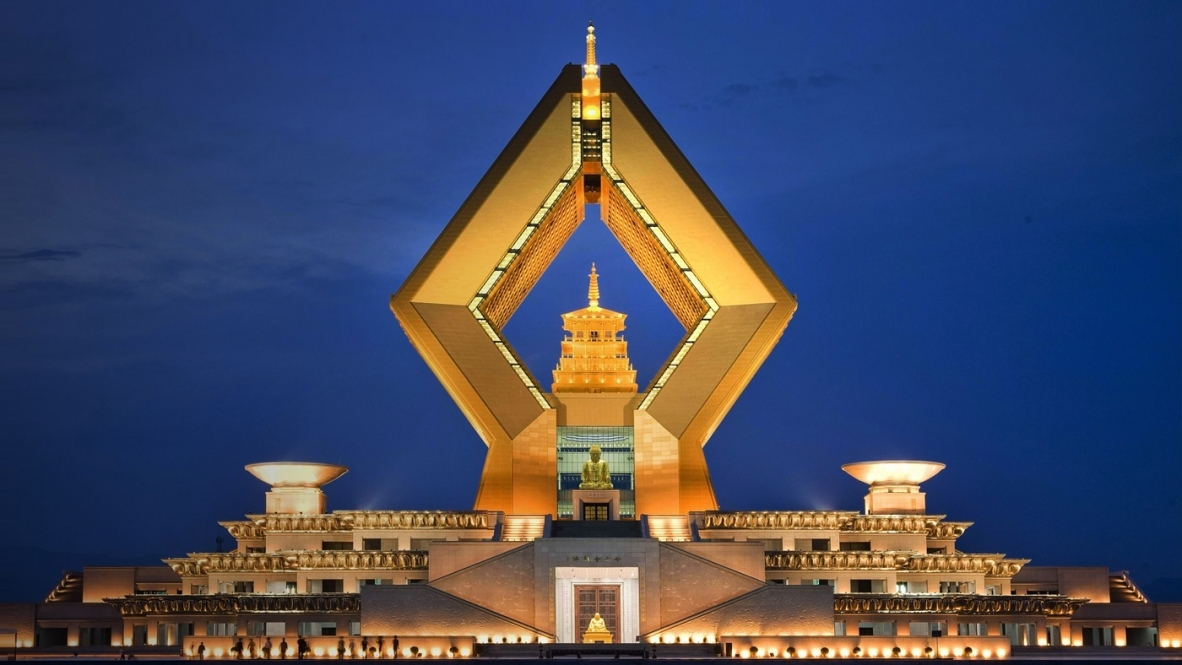
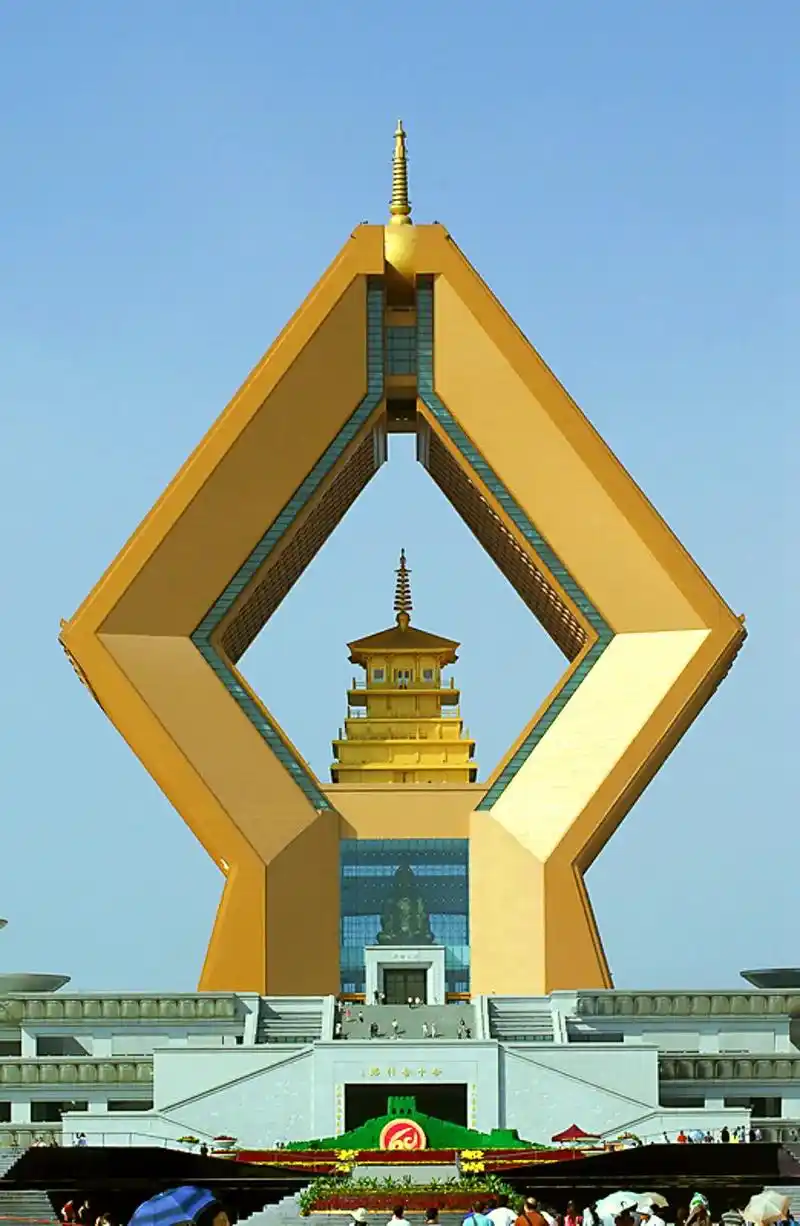
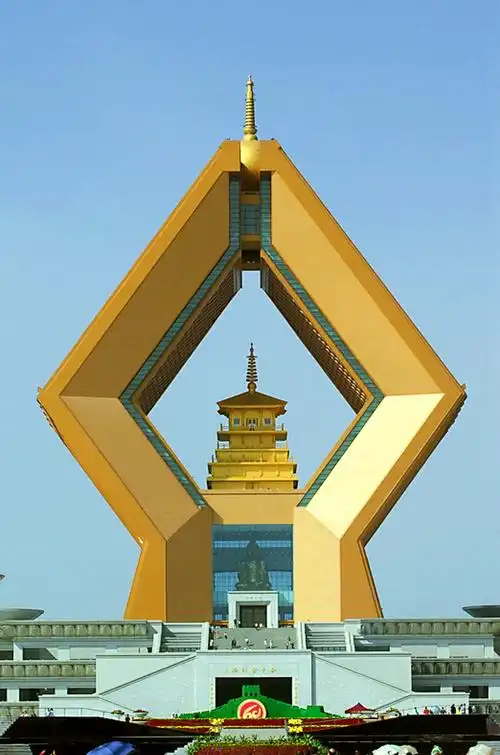
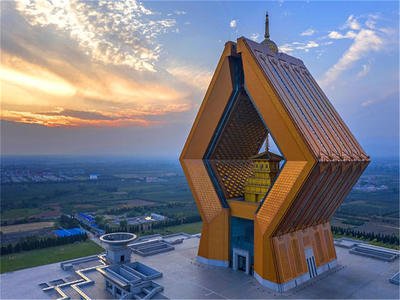
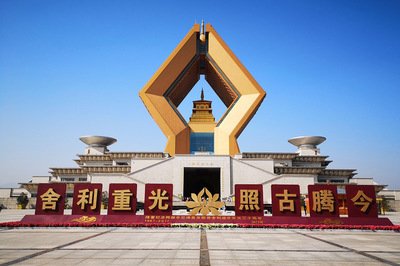
The temple complex includes the rebuilt True Body Pagoda (Zhen Shen Bao Ta), which stands where the ancient pagoda once was . The current structure is a 13-story octagonal pagoda rebuilt in the style of the Ming Dynasty brick pagoda . The temple layout is typical of Chinese Buddhist monasteries, with the pagoda at the center and halls in front and behind it .
3. Planning Your Visit
- Best Time to Visit: The temple is open year-round. Allow at least 2-4 hours for a comprehensive visit to both the temple grounds and the museum .
- Getting There: The most convenient way from Xi'an is by high-speed train or long-distance bus to Baoji or Fufeng, followed by a local taxi or bus to the temple. Many tourists also opt for organized tours that include transportation .
- On-Site Tips: Wear comfortable shoes as there is a fair amount of walking involved. The museum is essential to understanding the historical and cultural significance of the treasures.
A trip to Famen Temple is more than just sightseeing; it's a profound encounter with ancient history, sacred Buddhism, and unparalleled artistic achievement. It stands as a "second cultural symbol of Shaanxi" after the Terracotta Army, offering a unique and awe-inspiring experience .